

The Art and Science of the Functional Behaviour Assessment Interview

Positive Behaviour Support is often described as both an art and a science. That is not a cliché. It is a practical reality.
When we talk about the science, we are referring to rigour. Clear definitions. Observable behaviour. Structured assessment. Systematic data collection. Patterns over impressions. Hypotheses grounded in evidence rather than assumptions. The science keeps us honest. It protects us from relying on gut feeling, selective memory, or the loudest voice in the room.
But PBS is also unmistakably an art.
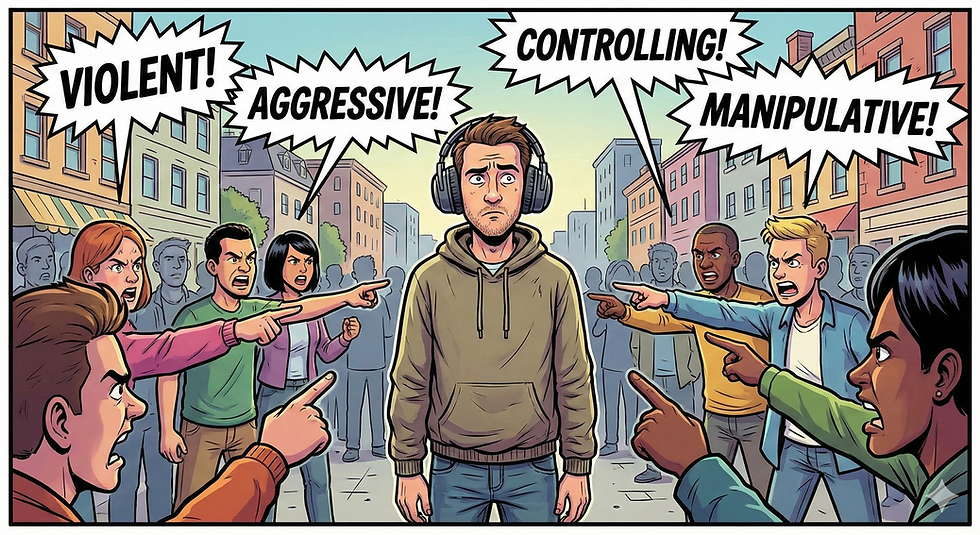
The interview is often your first real opportunity to shape the relational tone of the work. How you listen, respond, validate, and stay curious influences whether people feel safe to speak honestly. Families decide whether you are someone who “gets it.” Support staff decide whether this process feels collaborative or evaluative. The person with disability decides whether you are another professional asking questions, or someone genuinely trying to understand their world.
A well-conducted FBAI does more than extract information. It builds trust. It communicates respect. It helps stakeholders feel understood rather than scrutinised. Importantly, it allows you to make sense of the broader context you are stepping into: team dynamics, unspoken tensions, fatigue, historical frustrations, conflicting narratives, and the everyday realities that never quite fit neatly into a form.

Here is the part that is easy to miss.
Without the science, PBS risks becoming vague, inconsistent, and driven by opinion.
Without the art, PBS risks becoming technically correct but relationally ineffective.
You can have beautifully designed data sheets and still collect poor-quality information if people feel defensive, judged, or misunderstood. You can conduct a textbook Functional Behaviour Assessment Interview and still miss the point if you are more focused on completing the template than understanding the human experience behind the answers.
The strongest PBS work happens when these two elements are integrated.
Systematic data collection paired with genuine listening.
Behavioural analysis paired with psychological safety.
Structured assessment paired with respectful curiosity.
Because at its core, PBS is not just about behaviour.
It is about people, relationships, and making sense of what behaviour is communicating.
Comments